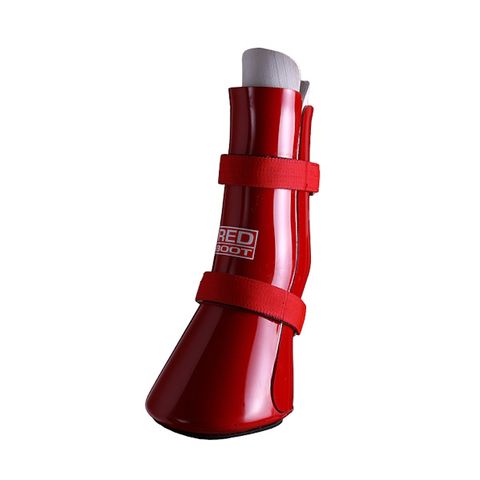
General Equine X-Ray Positioning Equipment

Equine X-Ray Positioning Equipment
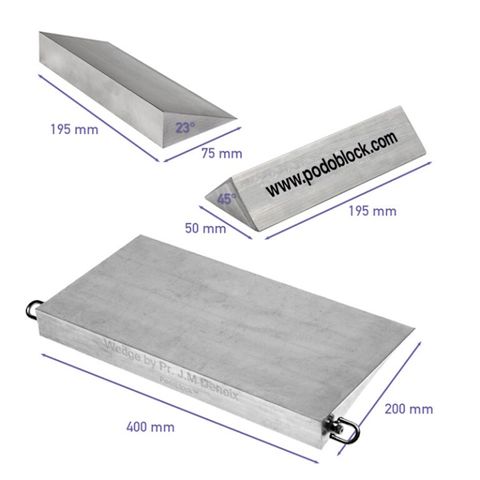
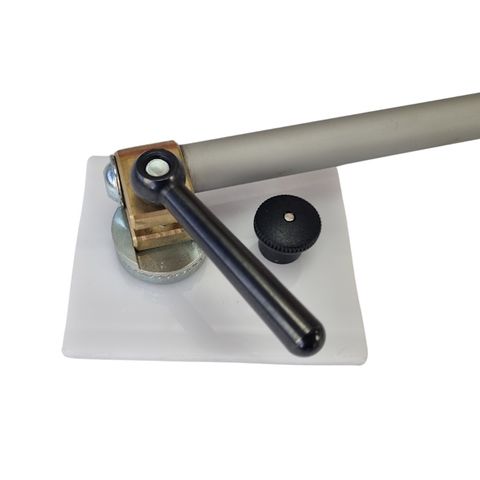
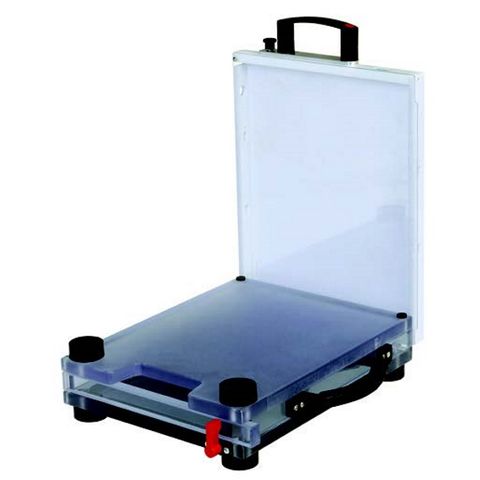
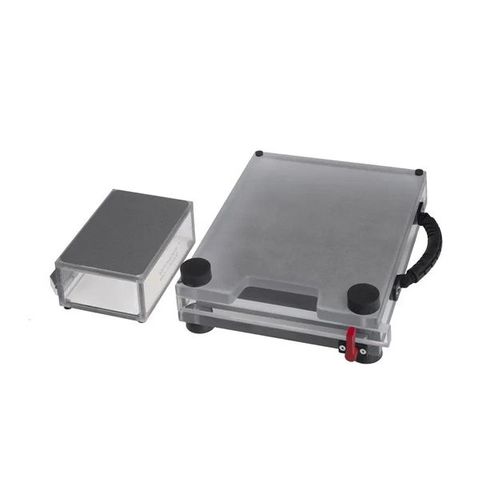
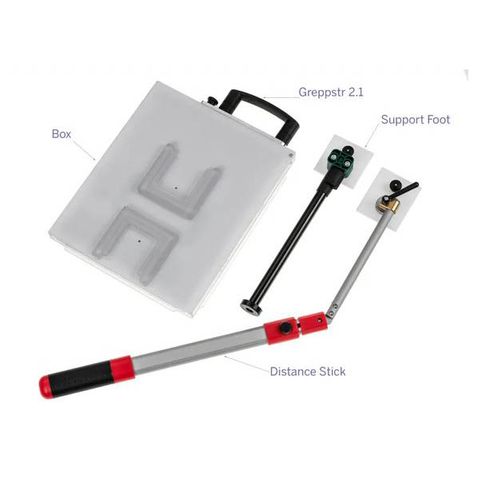
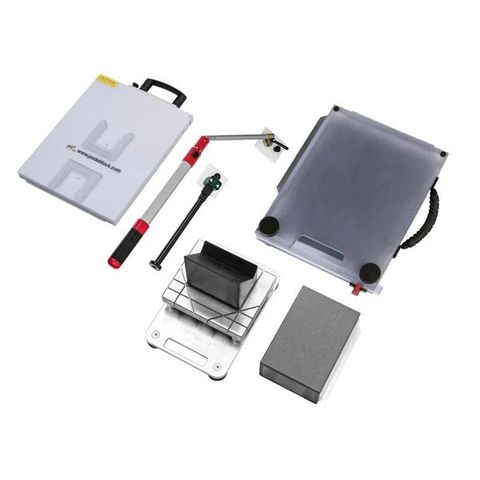
Looking for equine x-ray positioning equipment for your equine practice or veterinary imaging facility? ARO Systems supplies a comprehensive range of general equine radiographic positioning equipment - including cassette holders, hoof block positioning stands, leg positioning props, beam-alignment tools, and equine restraint and limb support equipment - designed to facilitate safe, accurate, and reproducible x-ray positioning for horses throughout Australia and New Zealand.
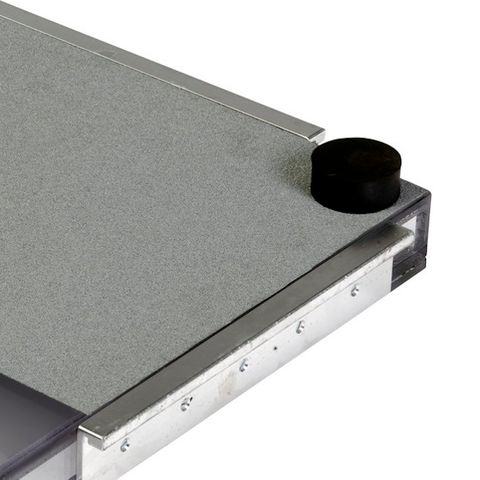
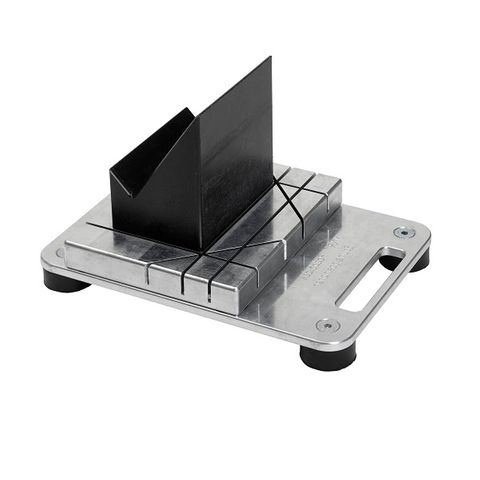
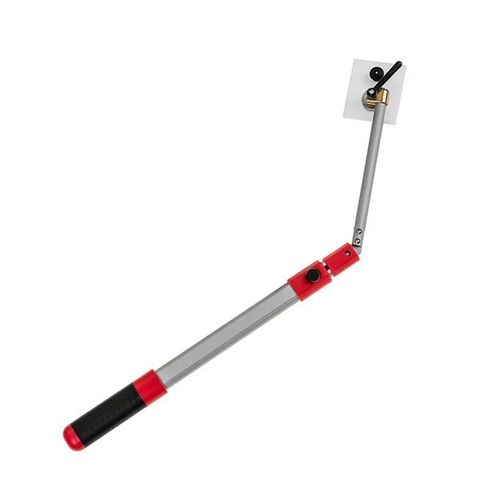
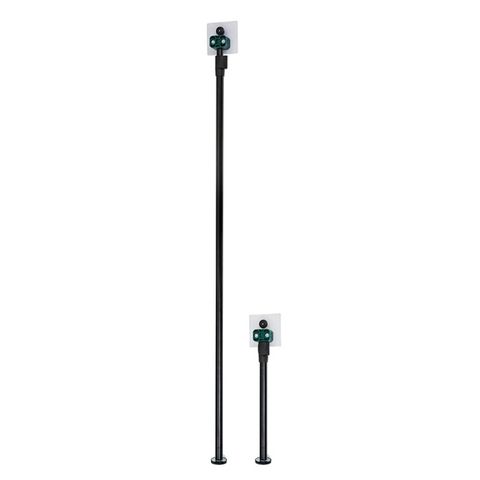
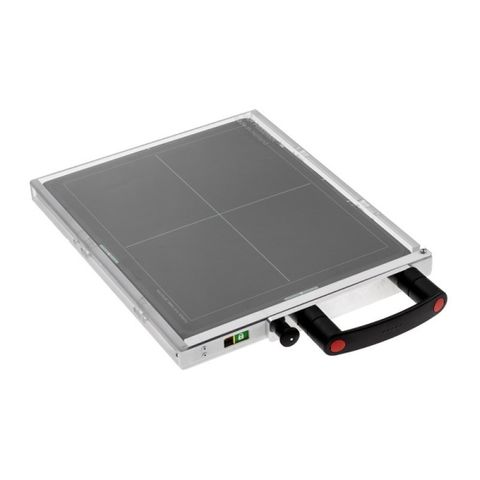
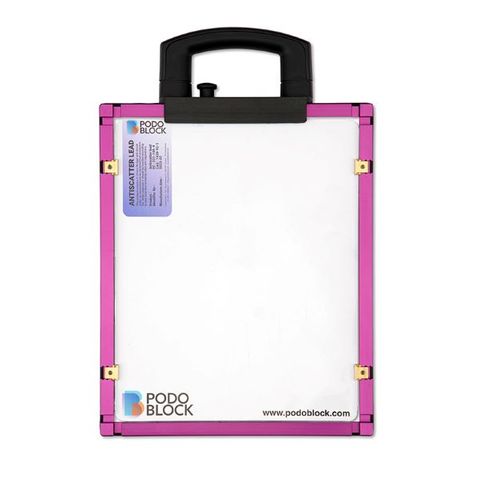
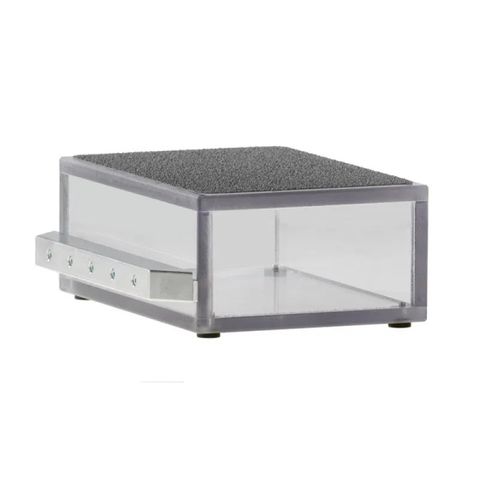
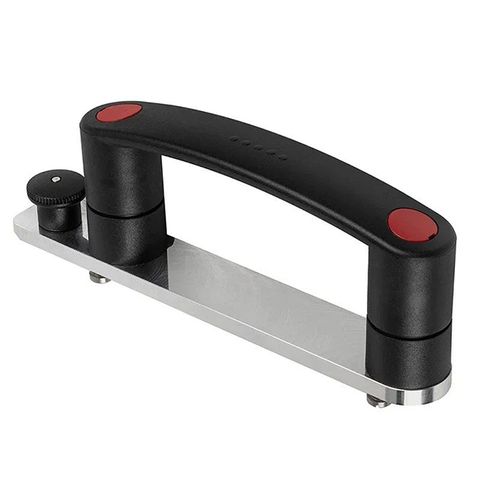
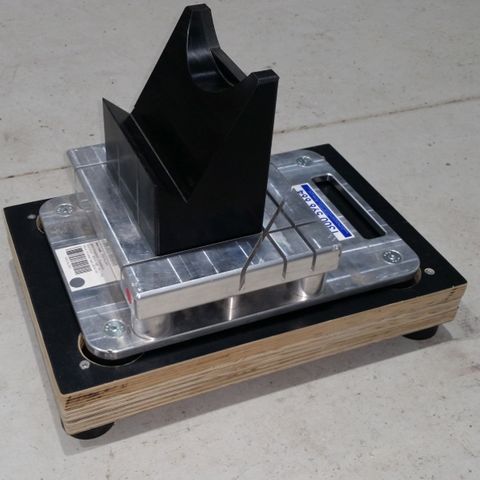
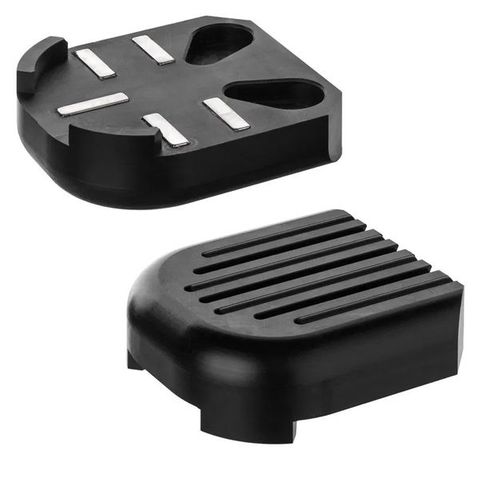
Equine radiography presents unique positioning challenges due to the size, weight, and often fractious nature of horses. Achieving correct x-ray beam alignment and limb positioning for standard foot, fetlock, carpal, tarsal, and other views requires specialised equipment that keeps the cassette or detector correctly located relative to the target anatomy - without placing the handler at unnecessary risk from x-ray exposure or horse movement. ARO Systems stocks dedicated equine positioning blocks, hardwood and composite hoof positioning blocks, cassette tunnels for under-hoof placement, limb support cradles, and long-handled cassette holders that allow the handler to maintain distance from the primary beam.
ARO Systems is based in Wodonga, VIC, and serves equine veterinary practices, mixed practices, and equine referral hospitals across Australia and New Zealand. Our imaging team understands the specific requirements of equine radiography - call 1300 596 664 to discuss your positioning equipment needs.
Frequently Asked Questions
What is equine x-ray positioning equipment used for?
What is a hoof positioning block?
What is a cassette tunnel for equine use?
-
-
-
1 to 21 of 21 results