Vet Handpieces
Vet Handpieces
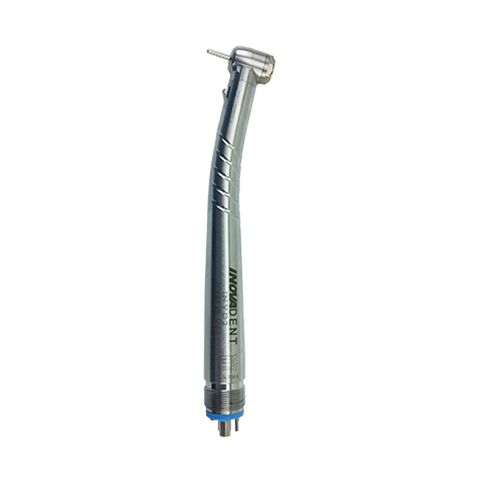
Veterinary dentistry has grown into a significant part of the small animal caseload, and the quality of the handpiece at the centre of it has a direct bearing on procedure efficiency and patient outcomes. Vet handpieces from ARO Systems are built for the demands of clinical veterinary use, covering both high-speed and low-speed dental procedures in practice.
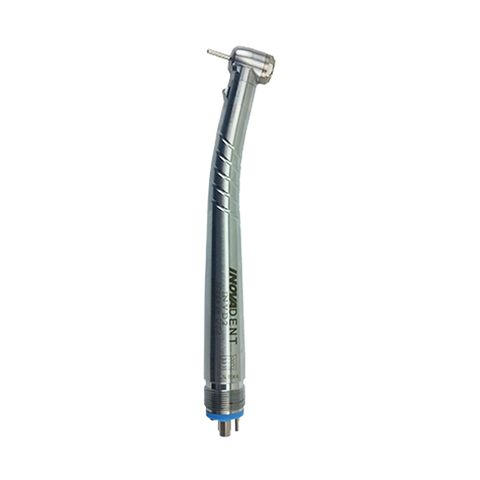
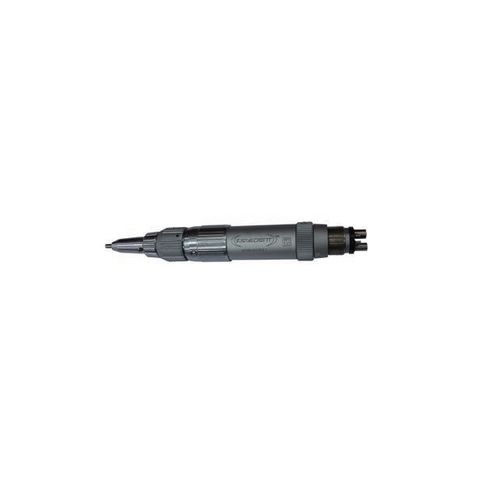
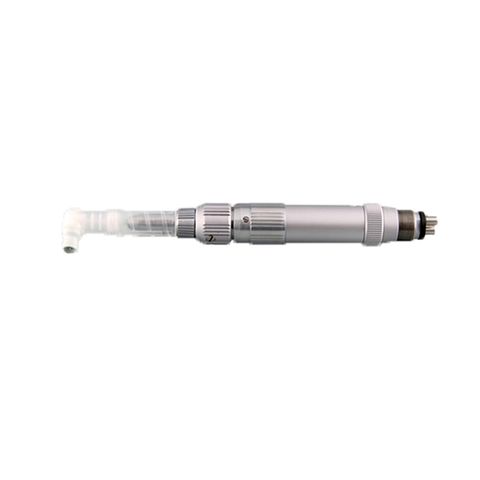
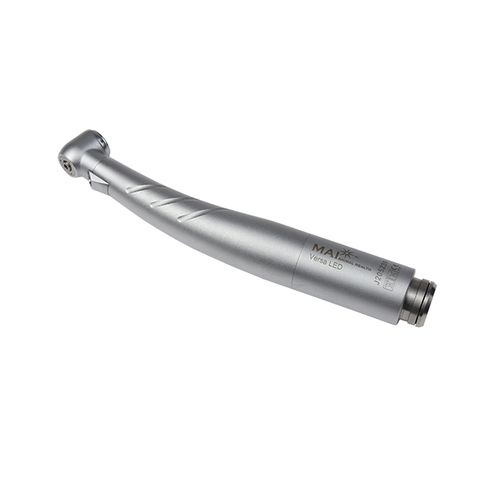
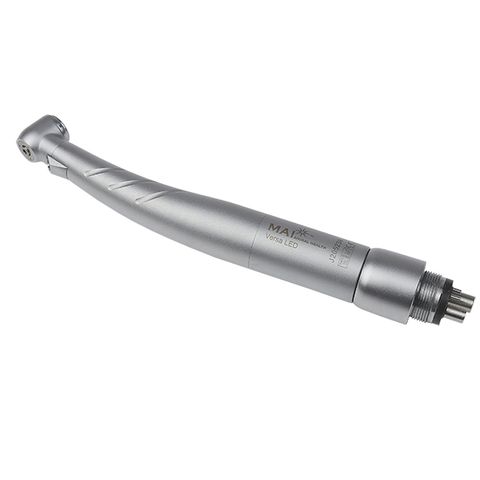
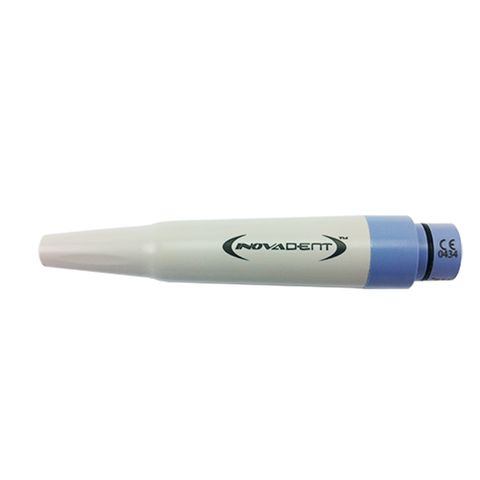
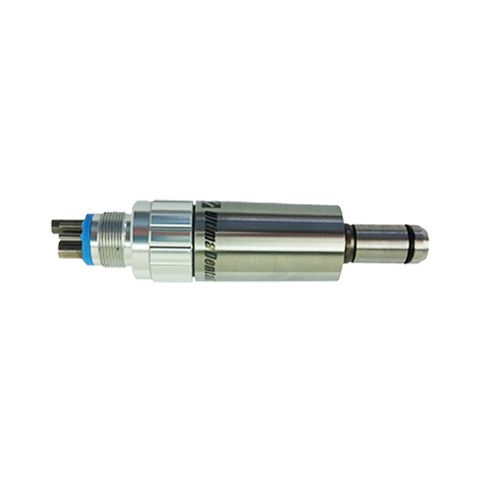
The range includes air-driven high-speed handpieces for cutting and drilling, low-speed handpieces for polishing and finishing, and accessories compatible with standard veterinary dental units. Consistent torque, resistance to repeated sterilisation, and reliable bur retention are the things clinicians actually notice once they’re working with a well-specified handpiece.
Browse the full range below or contact ARO Systems for compatibility guidance and delivery options. We supply vet handpieces to practices throughout Australia.
Frequently Asked Questions
What is the difference between high-speed and low-speed vet handpieces?
High-speed handpieces operate at 300,000 to 400,000 RPM and are used for cutting hard tissue, shaping, and tooth extraction procedures. Low-speed handpieces run at much lower RPM and are used for polishing, endodontic procedures, and fine finishing work. Most veterinary dental setups require both types depending on the procedure mix.
How do I know which handpiece is compatible with my dental unit?
Compatibility depends on the connection type, typically a 2-hole, 4-hole, or Midwest-style fitting, and the air pressure specification of your dental unit. Check your dental unit’s specifications before purchasing, or contact ARO Systems with your unit’s make and model and we can confirm compatibility.
How should veterinary dental handpieces be maintained and sterilised?
Air-driven handpieces should be lubricated before sterilisation according to the manufacturer’s instructions, as heat sterilisation without lubrication is a common cause of premature failure. Handpieces should be autoclaved rather than chemically disinfected, and inspected regularly for turbine wear, bur retention, and seal condition. Refer to the manufacturer’s maintenance schedule for your specific model.